
Umbilical Cord Stem Cells: Why Donated Tissue and Not Your Own
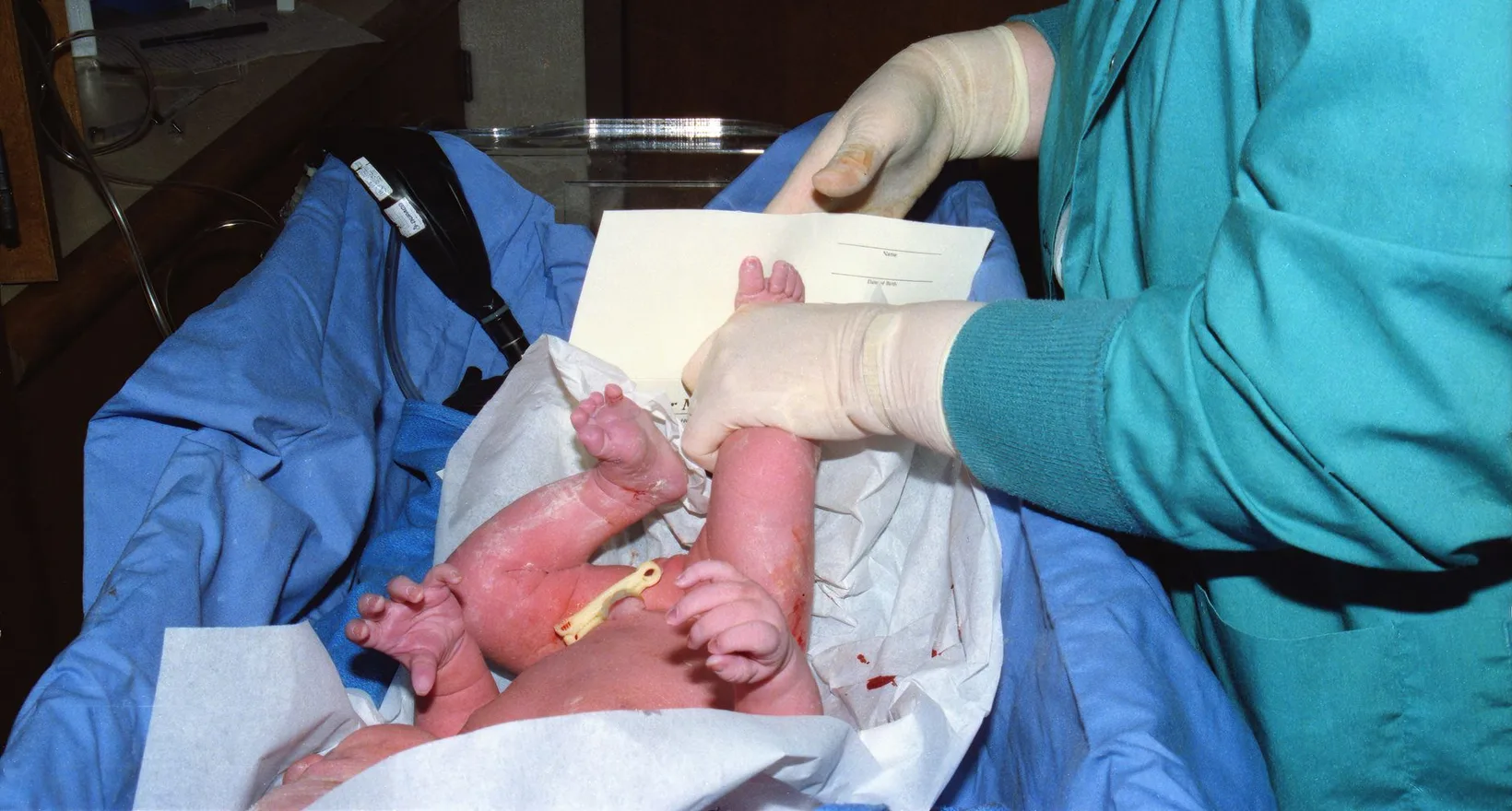
If you’ve started researching regenerative medicine for joint pain or knee osteoarthritis, you’ve likely come across two very different ideas about where “stem cells” come from. Some clinics talk about drawing cells from your own fat or bone marrow during the same visit. Others, including Utah Stem Cells, use cellular tissue sourced from donated umbilical cord and amniotic tissue, processed in a laboratory before it ever reaches a patient. These are not interchangeable approaches, and the difference matters for safety, consistency, and what you should expect from treatment. Here’s an honest look at why donated tissue, not tissue taken from your own body, is the foundation of umbilical cord-derived regenerative therapy.
What Umbilical Cord Tissue Actually Is
Umbilical cord tissue, often called Wharton’s jelly, is the gelatinous connective tissue inside the umbilical cord. Amniotic tissue comes from the membranes surrounding the baby during pregnancy. Both are normally discarded after a healthy, full-term birth, which is part of why this source is considered an ethical and practical option: it does not involve invasive collection from the baby or ongoing health risk to a donor, and it does not involve embryonic tissue.
Cord and amniotic tissue is rich in mesenchymal stem cells (MSCs) and supportive growth factors. After a scheduled, consenting donation, the tissue is processed under laboratory standards, screened for infectious disease, and prepared as a cellular product that can later be used in a clinical setting. This is fundamentally different from an autologous procedure, where cells are taken from a patient’s own body on the day of treatment.
Why Not Just Use the Patient’s Own Stem Cells?
It’s a fair question, and the honest answer is that autologous (your-own-body) stem cell collection has real limitations. Harvesting stem cells from a patient’s bone marrow or adipose (fat) tissue requires an invasive extraction procedure, and the quality and quantity of those cells depend heavily on the donor’s own age and health. Research on mesenchymal stem cells consistently shows that cell proliferation capacity and quality decline with age, meaning an older patient’s own stem cells, the group most likely to be seeking treatment for joint pain or chronic conditions, may simply not be as robust a starting material.
Donated umbilical cord tissue avoids that problem. Cord tissue is collected from healthy, screened donors at a single, favorable point, shortly after birth, rather than from a patient who may be decades older and already dealing with the degeneration or inflammation that brought them in for treatment. Laboratory-prepared cord-derived cells can also be produced with more predictable, standardized characteristics than a one-off sample pulled from a given patient’s body on a given day.
The Immune Advantage of Cord-Derived Tissue
One reason umbilical cord-derived mesenchymal stem cells are used as donor (allogeneic) material rather than exclusively as autologous products is their favorable immune profile. Published research on umbilical cord MSCs has found that these cells express low levels of the surface markers that typically trigger immune rejection, which is part of why they are considered reasonably well suited to allogeneic, donor-to-recipient use. This doesn’t mean every patient’s immune response is identical or that risk is eliminated. It means the biology of cord tissue is one reason this sourcing model has become more established in regenerative medicine than, say, using donor skin or donor bone marrow without extensive matching.
It’s worth being clear about what this therapy is not. It is not a stem cell transplant in the sense used for leukemia or blood cancer treatment, which involves high-dose chemotherapy and bone marrow replacement. It is also not a guarantee that the body will not respond to the material at all. Reputable clinics source tissue only from accredited, screened tissue banks and should be able to explain their sourcing and handling in plain language if asked.
How This Compares to PRP
It’s important not to conflate donor-derived cord tissue with platelet-rich plasma (PRP), which is a separate and genuinely autologous therapy. PRP is prepared from a small sample of the patient’s own blood, drawn and processed into a concentrated platelet solution during the same office visit, then used in treatments like PRP joint injections, the O-Shot, or the P-Shot. Because PRP comes from the patient’s own blood with minimal processing, it carries a different risk and regulatory profile than donor-derived cellular tissue. Similarly, fat transfer procedures use the patient’s own fat tissue, another legitimately autologous approach. Utah Stem Cells is transparent about which category any given treatment falls into, since “autologous” and “donor-derived” are not interchangeable terms, even though both sometimes get lumped under the umbrella of “regenerative medicine.”
Who Might Be a Candidate
Interest in donor-derived cord and amniotic tissue therapy often comes from patients dealing with joint pain, knee osteoarthritis, or other musculoskeletal conditions who have tried more conservative treatments without lasting relief. Options like stem cell joint regeneration and IV stem cell therapy use donor-derived cellular tissue as part of a broader treatment plan. Candidacy is never something a website can determine. It depends on an individual’s diagnosis, imaging, prior treatment history, and overall health, which is why a physician evaluation always comes before any recommendation. If you’re trying to understand how cord-derived therapy stacks up against other joint options, our comparison of PRP vs. stem cells for joint pain is a useful next read.
What to Expect from Utah Stem Cells
Dr. William Cimikoski leads every consultation with an emphasis on transparency over sales pressure. That includes a clear explanation of exactly where a proposed product comes from, whether it is donor-derived cord or amniotic tissue or the patient’s own PRP, how that tissue is screened and processed, and what current evidence does and doesn’t support for a given condition. No regenerative treatment offered is presented as a guaranteed fix or a cure, and realistic expectations are part of every conversation. If you want to understand more about how regulatory status factors into these decisions, our article on whether stem cell therapy is FDA-approved walks through that distinction in more detail. For patients weighing their overall options, how to choose a stem cell clinic and the red flags to avoid is also worth reading before any first visit.
Frequently Asked Questions
Why doesn’t Utah Stem Cells use stem cells from my own body?
For cord-derived cellular therapy, the tissue comes from donated, screened umbilical cord and amniotic sources rather than the patient’s own fat or bone marrow. This avoids an additional invasive harvesting procedure and relies on tissue collected from young, healthy, screened donors rather than a patient’s own cells, which naturally decline in quality and quantity with age. Separately, PRP treatments do use the patient’s own blood, since PRP is an autologous therapy by design.
Is donated umbilical cord tissue safe?
Reputable clinics source cord and amniotic tissue only from accredited tissue banks that screen donors for infectious disease and process material under laboratory standards. No medical treatment is entirely without risk, and individual responses vary, which is why a physician evaluates your health history before recommending any treatment.
Does umbilical cord tissue contain any part of the baby?
No. Umbilical cord and amniotic tissue is collected from the cord and membranes after a healthy birth, material that is otherwise discarded, and does not involve embryonic tissue or ongoing involvement of the infant.
Will my body reject donor-derived cells?
Published research indicates that umbilical cord-derived mesenchymal stem cells generally express lower levels of markers associated with immune rejection, which is one reason this tissue type has become more established for donor-to-recipient use in regenerative medicine. This is not a guarantee against any immune response, and your physician can discuss what is known and not known for your specific situation.
Is this the same as a bone marrow stem cell transplant for cancer?
No. Hematopoietic stem cell transplants used for certain blood cancers involve a very different process, including high-dose chemotherapy and full replacement of blood-forming cells. Cord- and amniotic-derived regenerative treatments for conditions like joint pain are a distinct category with a different purpose, process, and regulatory pathway.
How do I know if I’m a candidate for cord-derived treatment?
Candidacy depends on your specific diagnosis, prior treatments, imaging, and overall health, which can only be assessed through an individual evaluation with a licensed physician. No online article, including this one, can substitute for that evaluation.
This article is for general education. It is not medical advice or a promise of any particular result. Stem cell and regenerative therapies discussed here are not FDA-approved as a cure for any disease, and individual results vary. Candidacy is determined by a physician after individual evaluation. Consult a qualified physician to discuss your specific health needs before pursuing any treatment.