
Does PRP Really Regrow Hair? What to Expect
If you’ve noticed more hair in your brush or a widening part line, you’ve probably already searched for platelet-rich plasma and found a mix of dramatic before-and-after photos and skeptical forum posts. Both extremes miss the more useful answer: PRP can help some people regrow visible hair, but the results are gradual, variable, and dependent on how much active follicle activity you still have. Here’s what the current research actually supports, what a realistic timeline looks like, and how to know whether you’re a reasonable candidate before committing to a course of treatment.
The Problem PRP Is Trying to Solve
Most thinning hair that brings people into a clinic is androgenetic alopecia — pattern hair loss driven by genetics and hormone sensitivity at the follicle. Follicles don’t usually die overnight; they miniaturize gradually, producing thinner, shorter hairs over successive growth cycles until some stop producing visible hair altogether. That distinction matters because it means there’s a window, while follicles are still active but struggling, where added stimulation can plausibly make a difference. Once a follicle has been dormant for years, no injectable treatment is likely to bring it back. This is the same framework we walk through in our broader look at what works and what’s safe for hair in 2026.
What PRP Actually Is
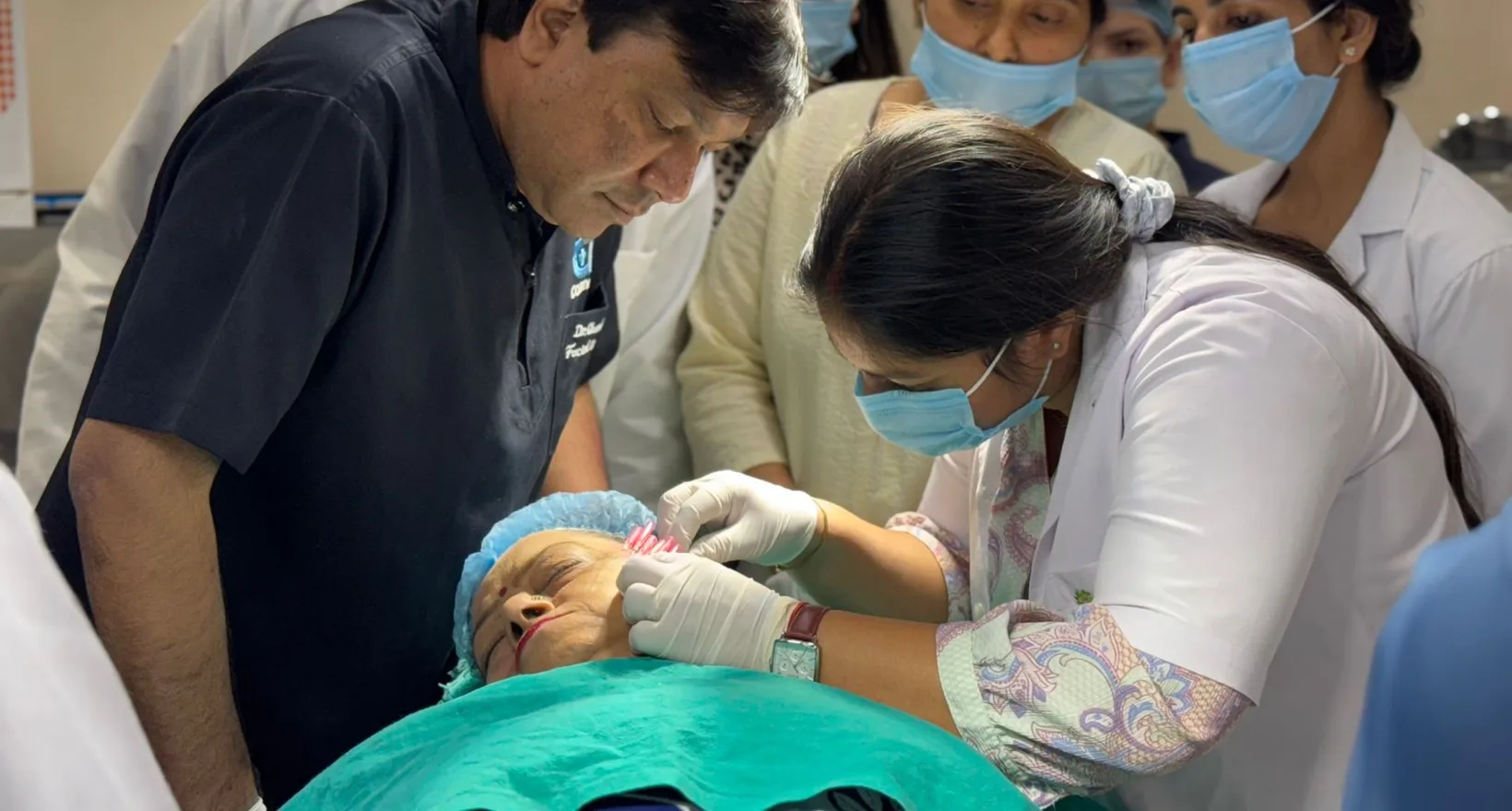
Platelet-rich plasma is prepared from a small sample of your own blood, spun in a centrifuge to concentrate platelets above their normal blood levels. Those platelets release growth factors — including PDGF, VEGF, and IGF-1 — that are thought to improve blood flow around the follicle and nudge hairs sitting in a resting (telogen) phase back into active growth. Because the plasma is autologous, meaning it comes from your own body rather than a donor, there’s no risk of an immune reaction to the material itself, and collection and injection typically happen in the same visit, usually delivered across the scalp with a fine needle.
This is different from how Utah Stem Cells sources cellular material for other regenerative treatments. Where PRP draws from the patient’s own blood, therapies built on stem cells use donated umbilical cord or amniotic tissue processed in a lab — not cells taken from your own fat or bone marrow. It’s worth keeping that distinction straight, since marketing across the industry sometimes blurs “PRP,” “stem cells,” and “exosomes” together as if they’re interchangeable. We break down those differences in more detail in PRP vs exosomes for hair loss and in can stem cells really reverse hair loss.
What the Evidence Actually Shows
PRP has been studied for hair restoration for over a decade, which is longer than most other injectable options offered for the scalp today. A 2024 review of randomized controlled trials — pooling more than a dozen studies and hundreds of participants — found that PRP significantly improved hair density and thickness in many patients when measured objectively with trichoscopy, with studies reporting average increases in the range of 18 to nearly 28 hairs per square centimeter in treated areas. Patient satisfaction scores and hair pull tests (a simple measure of active shedding) also improved in most trials, and safety was consistently good, with injection-site discomfort and mild redness being the most common side effects.
That said, the same body of research comes with real caveats. Protocols vary widely from clinic to clinic — differences in blood volume drawn, centrifugation method, platelet concentration, and whether the plasma is activated before injection all affect outcomes, which is part of why some placebo-controlled trials found only modest benefit. Results are also not universal: PRP tends to help most in early-to-moderate thinning where follicles are still active, and it is far less likely to restore hair in areas that have been fully bald for years. No published research supports PRP as a cure for hair loss, and it is not FDA-approved for that purpose — it’s an evidence-informed option with a reasonable track record, not a guarantee.
A Realistic Timeline
Patience matters more with PRP than with almost any other in-office treatment, because hair growth cycles are slow by nature.
- Weeks 1–4: Some patients notice less shedding, but visible density changes are unlikely this early.
- Months 1–3: Early signs of thickening may appear as follicles cycle into active growth; most protocols call for a series of monthly sessions during this stretch.
- Months 3–6: This is when most studies assess meaningful results — noticeably increased density and thickness in responders.
- Months 6–12 and beyond: Maintenance sessions, often spaced every few months, are typically needed to sustain gains, since PRP does not permanently change the underlying genetic and hormonal drivers of pattern hair loss.
If you’re not seeing any change by the four-to-six-month mark, that’s a meaningful signal worth discussing with your provider rather than pushing through more sessions on hope alone.
PRP vs. Other Options
PRP is often compared against topical minoxidil, oral finasteride, low-level laser therapy, and newer exosome-based products. Combination approaches — PRP paired with microneedling or with minoxidil — have shown stronger results in some trials than any single treatment alone, which is consistent with how pattern hair loss is generally best managed: as a multi-pronged, ongoing process rather than a one-time fix. For a side-by-side look at how PRP stacks up against a newer, less-studied alternative, see PRP vs exosomes for hair loss. If you’re still weighing surgical versus non-surgical paths generally, our guide to red flags when choosing a stem cell clinic is a useful companion read, since the same due-diligence questions apply to any clinic offering PRP.
Who Is a Reasonable Candidate
PRP tends to be most worth considering for people who:
- Have early-to-moderate thinning with follicles that are still producing some hair, rather than long-established bald patches.
- Have realistic expectations about gradual, partial improvement rather than a full head of hair restored.
- Are not currently dealing with an active scalp infection, certain blood disorders, or other conditions that would make injections inadvisable.
- Are willing to commit to an initial series of sessions plus ongoing maintenance, since results are not permanent.
Actual candidacy can only be determined after an in-person evaluation of your scalp, hair loss pattern, and health history — this article is educational, not a substitute for that assessment. Details on the treatment itself, including how sessions are structured, are covered on our hair restoration page, and general background on the condition is available on our hair loss page.
What to Expect at Utah Stem Cells
At Utah Stem Cells, Dr. William Cimikoski and the clinical team start with a direct conversation about your hair loss pattern, history, and goals before recommending any treatment path. If PRP is a reasonable fit, expect a clear explanation of the protocol, an honest projection of what results are plausible given your specific pattern of thinning, and a plan for follow-up sessions rather than a single injection sold as a fix. Our approach is physician-led and evidence-informed: we’d rather tell you PRP isn’t likely to help in your case than sell you a series that won’t deliver.
Frequently Asked Questions
Does PRP really work for hair loss, or is it mostly hype?
The evidence is genuinely mixed but leans positive for the right candidates. Multiple randomized controlled trials show measurable improvements in hair density and thickness, particularly in early-to-moderate androgenetic alopecia, though results vary by protocol and individual response, and not every study shows a strong effect.
How many PRP sessions will I need?
Most published protocols use an initial series of three to six monthly sessions, followed by maintenance treatments every few months to sustain results. Your specific plan depends on your degree of thinning and how you respond to the initial series.
Is PRP painful?
Most patients describe mild discomfort during the injections and some scalp tenderness or redness for a day or two afterward. A topical numbing agent is commonly used to reduce discomfort during the procedure.
Will PRP regrow hair in an area that’s already completely bald?
It’s unlikely. PRP works by stimulating follicles that are still present and at least partially active. Areas with long-standing, complete hair loss generally have little to no follicle activity left to stimulate.
Is PRP the same as stem cell therapy?
No. PRP is prepared from your own blood (autologous), while stem cell-based treatments at Utah Stem Cells use donated umbilical cord or amniotic tissue processed in a lab. They’re sometimes offered together, but they are not the same material or mechanism.
How soon will I see results?
Most patients who respond notice initial changes, like reduced shedding, within the first one to three months, with more visible density improvements typically assessed around the three-to-six-month mark.
This article is for general education. It is not medical advice or a promise of any particular result. PRP is not an FDA-approved cure for hair loss, individual outcomes vary, and candidacy should only be determined by a qualified physician after an in-person evaluation.