
Early detection & screening
Galleri Multi-Cancer Early Detection Test in Utah
A single blood draw that looks for a cancer signal across more than 50 types of cancer — prescribed and reviewed by a physician, and used in addition to the screening you already do, never in place of it.
Get started
Request your consultation
Tell us what you're dealing with and our team will follow up. No obligation.
A blood test that looks for a shared cancer signal
Most cancer screening looks for one cancer at a time, and only a handful of cancers have an established screening test at all. The Galleri test, developed by GRAIL, takes a different approach: it examines DNA fragments circulating in the blood and looks for methylation patterns associated with cancer, across more than 50 types.
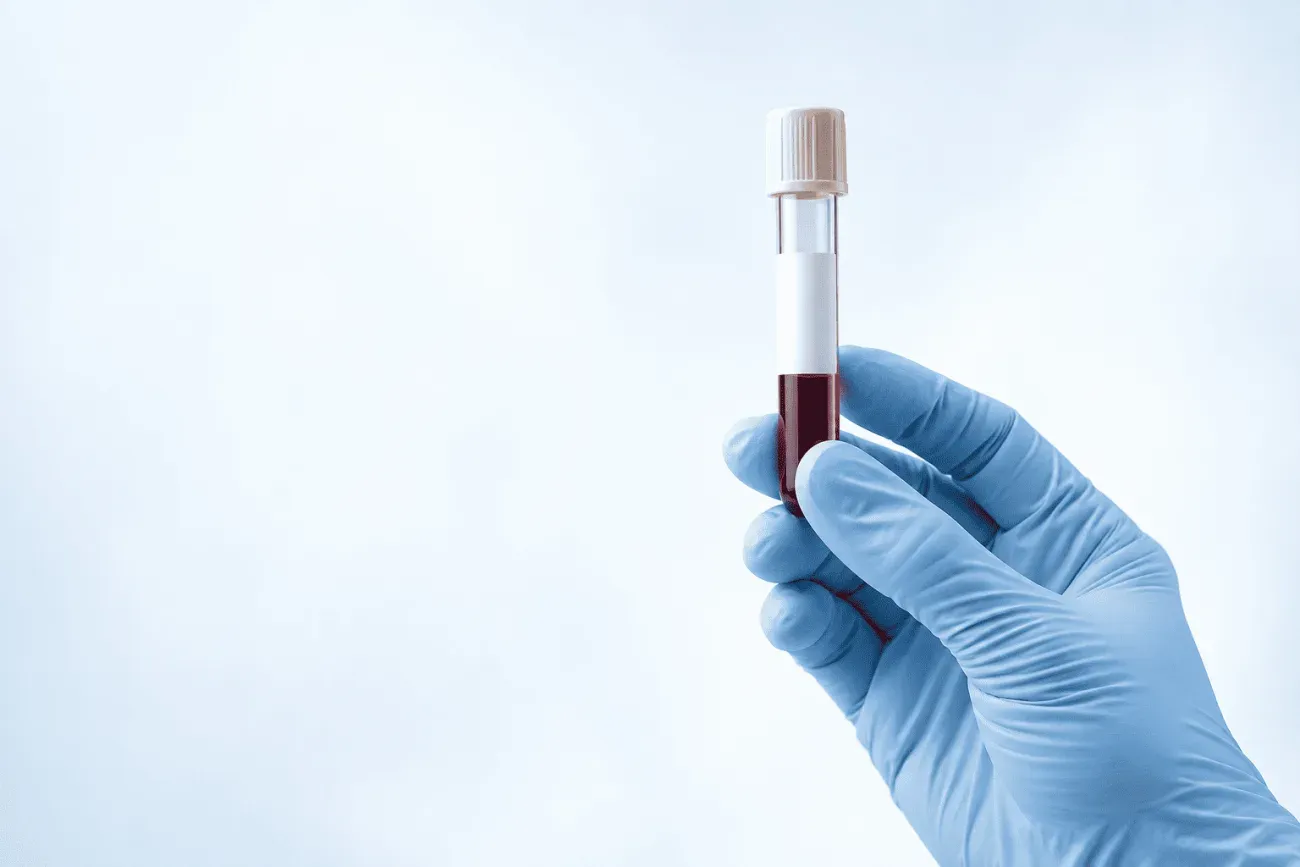
It is a single blood draw, prescribed and reviewed by a physician. When a cancer signal is detected, the test also predicts the likely origin in the body, which tells the physician where to look first.
What it is not
This is the part that deserves your attention before anything else.
It is not FDA-approved. The Galleri test has not been cleared or approved by the Food and Drug Administration. It is a laboratory developed test, available by prescription only.
It does not replace routine screening. Galleri is intended to be used in addition to the cancer screening your provider already recommends — mammography, colonoscopy, cervical screening and the rest. It does not substitute for any of them.
It does not detect all cancers. Some cancers shed very little detectable material into the blood, particularly at an early stage. A test that finds a signal for many cancers is not a test that finds every cancer.
A negative result does not rule out cancer. No Cancer Signal Detected means no recognised signal was found. It is not a clean bill of health, and it is not a reason to skip anything else.
A positive result is not a diagnosis. Cancer Signal Detected requires confirmatory evaluation through established diagnostic procedures, such as imaging. GRAIL reports that around 62% of detected signals are confirmed as cancer — which also means a significant number are not, and that the interval before a diagnosis is confirmed or excluded can be an anxious one.
Who it is intended for
Galleri is recommended for adults at elevated risk of cancer, such as those aged 50 or older. Beyond age, the question is a clinical one: your personal and family history, your other risk factors, and — a question worth sitting with — what you would actually do with each possible result.
Some people find the information valuable. Others find the uncertainty of a false positive, or the false reassurance of a negative, harder to live with than not knowing. Both responses are legitimate, and the physician will talk it through with you rather than push you toward the test.
How it works here
The test is ordered by a physician after a consultation, drawn as a single blood sample, and processed by GRAIL’s laboratory. The result returns to the ordering physician, who reviews it with you, explains what it means in your specific situation, and arranges appropriate follow-up if a signal is found.
Our Medical Director, Dr. William Cimikoski, oversees this process personally.
Deciding whether to test
A screening test is only useful if you understand what it can and cannot tell you before you take it. Book a consultation and the physician will walk you through the evidence, the limits and the realistic outcomes — and will tell you honestly if this is not the right test for you.
Get started
Have questions about Galleri Cancer Screening?
Send a quick note about your situation and our team will follow up with next steps.

Physician-led care
Your care is led by Dr. William Cimikoski
Every treatment plan at Utah Stem Cells is guided by our Medical Director, Dr. William Cimikoski — so you get a genuine evaluation and honest, physician-led guidance from the first consultation onward.
Meet Dr. CimikoskiFAQ
Frequently asked questions
What is the Galleri test?
Galleri is a blood test developed by GRAIL that looks for a signal shared by more than 50 types of cancer. It examines methylation patterns on DNA fragments circulating in the blood and uses an algorithm to assess whether those fragments are more likely to have come from cancer cells. When a signal is found, the test also predicts where in the body it is likely to have originated, which helps direct the follow-up. It is a prescription test, ordered by a physician.
Does the Galleri test replace my mammogram or colonoscopy?
No, and this matters more than anything else on this page. Galleri is intended to be used in addition to the routine cancer screening your healthcare provider recommends, not instead of it. Standard screening tests look for specific cancers in ways Galleri cannot replicate. Stopping them because you have had a Galleri test would leave you less protected, not more.
Is the Galleri test FDA-approved?
No. The Galleri test has not been cleared or approved by the Food and Drug Administration. It is a laboratory developed test performed by GRAIL's clinical laboratory, available by prescription only. We say this plainly because it should form part of your decision.
What does a negative result mean?
A result of No Cancer Signal Detected does not rule out cancer. It means the test did not find a signal it recognises, which is not the same as being cancer-free. The test does not detect all cancers, and false negatives occur. Your routine screening remains just as important afterwards.
What does a positive result mean?
A result of Cancer Signal Detected does not by itself mean you have cancer. It requires confirmatory diagnostic evaluation through established procedures such as imaging. GRAIL reports that roughly 62% of people with a detected signal are found to have cancer, which also means a meaningful share are not. The physician will discuss what the result does and does not tell you, and what follow-up is appropriate.
How accurate is the test?
GRAIL reports a false positive rate of 0.4%, meaning a signal is rarely reported when no cancer is present. Sensitivity is a different question: the test detects some cancers far more readily than others, and it does not detect all cancers at all. A test with a low false positive rate can still miss cancers, and Galleri does.
Who is the Galleri test for?
It is recommended for adults with an elevated risk of cancer, such as those aged 50 or older. Whether it is appropriate for you is a clinical decision made with the physician, based on your age, personal and family history and what you would do with the result. It is not right for everyone, and we will say so when it is not.
What does the appointment involve?
A single blood draw. The sample is processed by GRAIL's laboratory and the result comes back to the ordering physician, who reviews it with you and explains what it means for your situation and what, if anything, should happen next.
How do I find out whether it makes sense for me?
Book a consultation. The physician will go through your history, explain what the test can and cannot tell you, and help you decide — including advising against it if that is the honest answer.