
Mesenchymal Stem Cells Explained: What They Are and What They Do
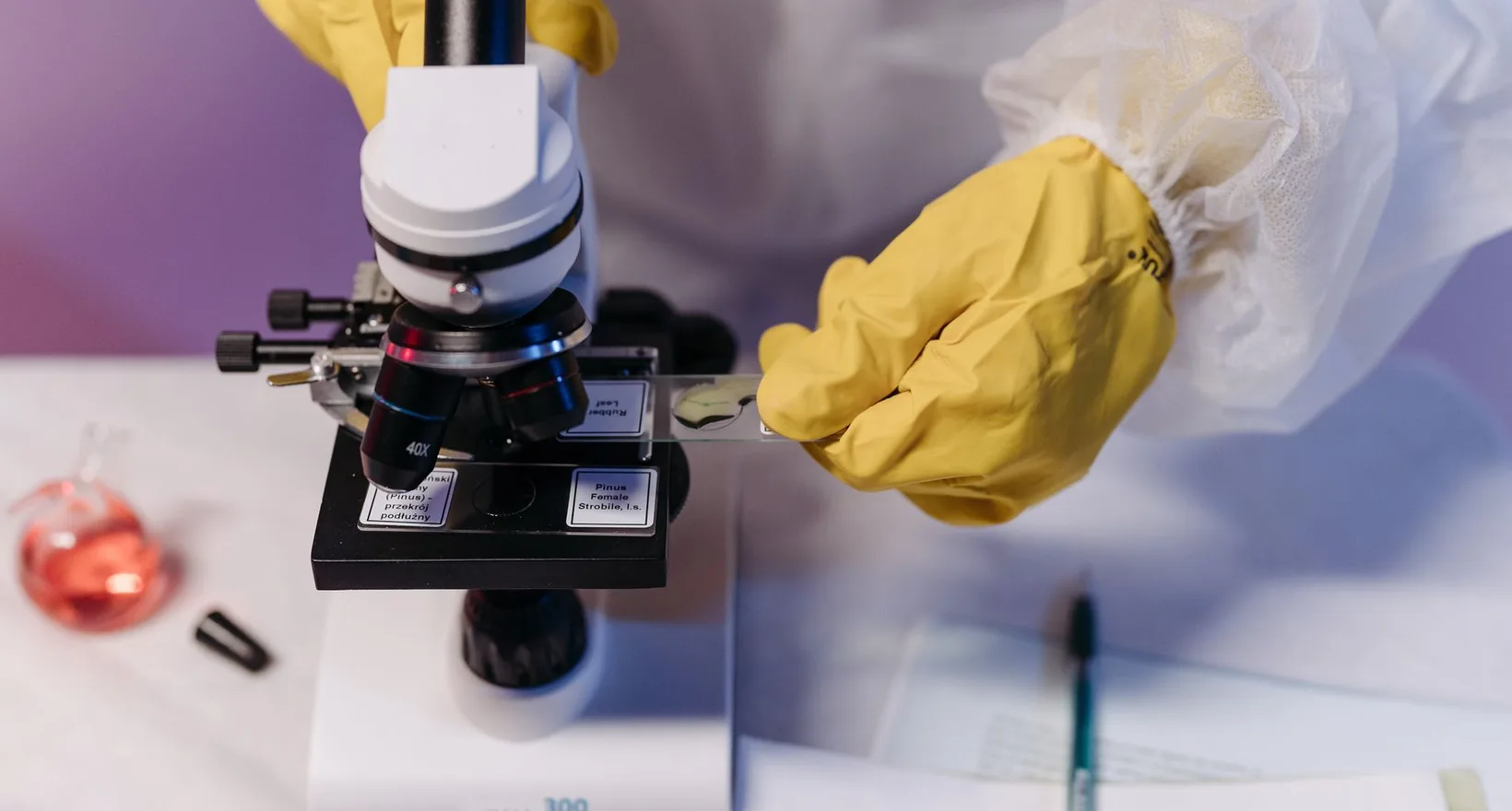
If you have been researching regenerative medicine, you have probably run into the term “mesenchymal stem cells” more than once. It shows up in clinic brochures, research papers, and patient forums, often without much explanation of what it actually means. Understanding what these cells are, where they come from, and what the current science says they can and cannot do is an important step before deciding whether any stem cell-based treatment is right for you.
What are mesenchymal stem cells?
Mesenchymal stem cells (MSCs), sometimes called mesenchymal stromal cells, are a type of multipotent cell, meaning they have the capacity to develop into several different cell types rather than just one. In laboratory conditions, researchers have shown that MSCs can form cartilage cells (chondrocytes), bone cells (osteocytes), and fat cells (adipocytes). This differentiation ability is one of the main reasons MSCs have drawn so much interest in joint and tissue-repair research over the past two decades.
It is worth being precise about terminology here. MSCs are not the same as embryonic stem cells, and they are not able to turn into any cell type in the body. Their differentiation potential is more limited, which is part of why they are considered relatively safe for research and clinical use compared with other classes of stem cells.
Where do mesenchymal stem cells come from?
MSCs can be isolated from a number of tissues, including bone marrow, adipose (fat) tissue, and umbilical cord tissue such as Wharton’s jelly, as well as amniotic tissue. Bone marrow was the original and most-studied source, but it typically requires an invasive aspiration procedure and yields relatively few cells.
This is an important distinction for patients evaluating a clinic: at Utah Stem Cells, the mesenchymal stem cells used in treatment come from donated umbilical cord and amniotic tissue, not from the patient’s own body. This donor-derived (allogeneic) tissue is screened and processed in a laboratory before use. We do not perform procedures that harvest a patient’s own stem cells from fat or bone marrow. If you want to understand why donated tissue is used instead of a patient’s own cells, our article on umbilical cord stem cells and why donated tissue is used instead of your own goes into more detail.
By contrast, platelet-rich plasma (PRP) is a different category of regenerative product entirely. PRP is prepared from the patient’s own blood, not from stem cells, and is autologous by nature. Patients sometimes confuse the two, so it is worth reading PRP or stem cells: what each one is actually for if you are trying to decide which approach applies to your situation.
How do mesenchymal stem cells work?
Researchers generally describe two broad mechanisms by which MSCs may contribute to tissue repair:
Differentiation potential
In laboratory and some animal studies, MSCs have been shown to develop into cartilage, bone, and connective tissue cells. Whether this differentiation happens to a meaningful degree after an injection into a human joint, versus occurring mainly in a petri dish, is still an active area of research. Scientists are cautious about overstating this effect in a clinical setting.
Paracrine and immunomodulatory signaling
The mechanism that has the most current scientific support is paracrine signaling: MSCs release signaling molecules, cytokines, and growth factors that can influence the behavior of nearby cells. Published research describes MSCs secreting anti-inflammatory mediators such as TGF-beta, PGE2, and IL-10, which can modulate the activity of T cells, B cells, dendritic cells, and natural killer cells. They are also described as secreting factors that support new blood vessel formation (angiogenesis). In other words, rather than simply “becoming” new joint tissue, MSCs may act more like local signaling hubs that help calm inflammation and recruit the body’s own repair processes.
This is a meaningfully different, and more modest, picture than the “grows new cartilage” marketing language that circulates online. Responsible clinics and researchers describe MSC therapy as a way to potentially modulate inflammation and support the local healing environment, not as a guaranteed tissue-regrowth procedure.
How mesenchymal stem cell therapy compares to other options
Patients considering a joint problem typically weigh a few different paths:
- Watchful waiting, physical therapy, and NSAIDs — low risk, but may not address ongoing structural or inflammatory issues.
- Corticosteroid injections — can reduce inflammation short-term but carry evidence that repeated use may be associated with cartilage changes over time. Our review of stem cells vs. cortisone for knee arthritis looks at this comparison in more depth.
- PRP injections — autologous, derived from the patient’s own blood, generally lower cost and simpler to prepare than stem cell products.
- Mesenchymal stem cell injections — allogeneic, donor-derived cells selected for their signaling and immunomodulatory properties, often considered after more conservative options have been exhausted.
- Surgery (e.g., joint replacement) — a more invasive, higher-recovery-time option generally reserved for advanced structural damage.
None of these are universally “better.” The right option depends on the specific diagnosis, how advanced the joint changes are, and the patient’s overall health, which is why an individualized medical evaluation matters more than any single treatment’s marketing claims.
Who might be a candidate?
Patients most commonly explore mesenchymal stem cell therapy for degenerative joint conditions, such as knee osteoarthritis, chronic joint pain, or other orthopedic issues where inflammation plays a significant role. Our stem cell joint regeneration page describes how this is approached locally in more detail. Some patients also ask about IV stem cell therapy for more systemic concerns, where cells are administered intravenously rather than injected into a specific joint.
Candidacy is never assumed from a diagnosis alone. A physician needs to review your medical history, imaging where relevant, and prior treatments before determining whether mesenchymal stem cell therapy is a reasonable option for you, or whether another approach would be more appropriate.
What to expect at Utah Stem Cells
If you move forward with an evaluation, Dr. William Cimikoski and the clinical team will review your history and the affected area, discuss realistic expectations, and explain the sourcing and preparation of the donated umbilical/amniotic cells used in treatment. Our guide on how to choose a stem cell clinic and red flags to avoid outlines the kind of transparency patients should expect from any provider, including us.
Stem cell therapy at Utah Stem Cells is priced at $6,000 for the first treatment, with $2,200 for each subsequent treatment, whether in the same area or a different one. These figures are set regardless of how many areas are treated in a single session, and final eligibility for treatment is always determined by the physician after your evaluation, not before.
Frequently asked questions
Are mesenchymal stem cells the same as embryonic stem cells?
No. Mesenchymal stem cells are multipotent, meaning they can form a limited range of cell types (such as bone, cartilage, and fat cells). Embryonic stem cells are pluripotent and have a much broader developmental capacity. The two are regulated and studied very differently.
Does Utah Stem Cells use the patient’s own stem cells?
No. The mesenchymal stem cells used at Utah Stem Cells come from donated umbilical cord and amniotic tissue, not from the patient’s own fat or bone marrow. PRP, by contrast, is autologous and comes from the patient’s own blood.
Is mesenchymal stem cell therapy FDA approved?
Most mesenchymal stem cell injection therapies, including those used for joint conditions, are not FDA approved as a cure for any disease. They are offered as part of regenerative medicine practice, and patients should understand this distinction before treatment. See our article on whether stem cell therapy is FDA approved for more context.
How quickly do mesenchymal stem cells work?
Timelines vary widely between patients and depend on the condition being treated. Because the proposed mechanism involves signaling and immune modulation rather than instant tissue replacement, changes, when they occur, are typically gradual rather than immediate. Results vary and are not guaranteed.
Can mesenchymal stem cells regrow cartilage?
Some laboratory and animal studies suggest MSCs can differentiate into cartilage-forming cells, but strong evidence that this reliably regenerates cartilage in human joints after a clinical injection is still developing. Most current clinical benefit is attributed to the cells’ anti-inflammatory and signaling effects rather than confirmed new cartilage growth.
What is the cost of mesenchymal stem cell therapy at Utah Stem Cells?
Stem cell therapy is $6,000 for the first treatment and $2,200 for each treatment after that, in the same or a different area. Whether you are a candidate is determined by the physician after a personal evaluation.
This article is for general education and is not medical advice or a promise of any particular result. Mesenchymal stem cell therapy is not an FDA-approved cure for any disease, and outcomes vary from patient to patient. Treatment eligibility is determined by a physician after an individual evaluation. Speak with a qualified provider before making any treatment decision.